Summer Camp Registration Update


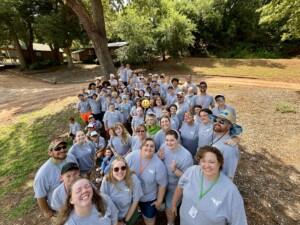
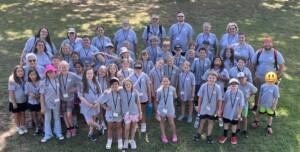
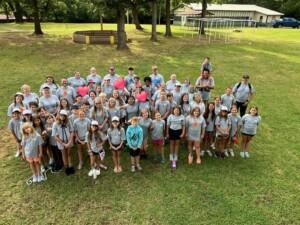
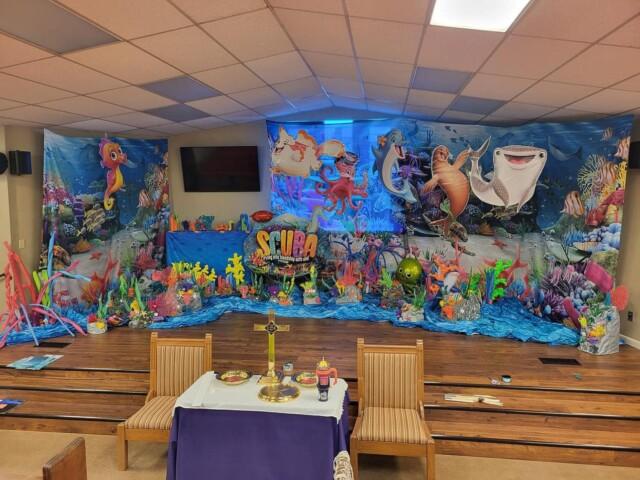
Help us reach our goal this summer. We want to grow our program to reach 300 campers representing 30 Oklahoma Disciples congregations this summer. Have you registered a camper for Church Camp this summer? All the Region sponsored camps are during June. The Region has recruited directors who are recruiting counselors to serve at Chi Rho Camp, CYF Conference, Discovery Camp, and Junior Camp. All of our directors and counselors are volunteers from our Oklahoma congregations. And, the past few years we have been selected to welcome a Disciples Peace Fellowship Intern to Chi Rho Camp and CYF Conference.
The Commission for Children, Youth, and Young Adults (CYYA) oversees our camp program and retreat ministry. The CYYA is seeking financial support for the camp program. We pass on the cost of our adult volunteers to each camper, making our camp fees higher. If your congregation doesn’t send campers or you don’t have campers to send or adults to volunteer, you can be part of the summer church camp program by sponsoring (paying) for an adult volunteering their time. We will accept gifts until May 1st, then take the balance, do some math, and apply an additional discount to all campers registered by April 24th. Would you like to be involved? Contact Rev. Michael Davison (mdavison at okdisciples dot org) or Rev. Bill Hemm, co-chair of CYYA (hemmco22 at gmail dot com).
3 More Opportunities

Over the past two years, the Commission for Faith and Action has funded $20,00.00 of Reconciliation grant requests. This has helped congregations expand their reconciliation reach and imagination through educational and service trips, support for Caminante, leadership development, multi-church VBS, musicals, meals, relationships with first responders, and integration of neurotypical and non-neurotypical persons, and Careportal ministry. The grants have been so successful that the yearly Reconciliation Special Offering has not kept up with demand. The gifts by Oklahoma congregations each September to this special offering are divided 50/50 with the denomination so that Oklahomans are supporting the denomination’s Reconciliation Ministry, and that of congregations in our Region.
This spring, the Comm. for Faith In Action will publish a “Reconciliation Series” on the Region’s podcast. Each episode will focus on one of our 2023 Grant recipients.
Thank you for supporting our Reconciliation Ministries.
2023 Grants
2022 Grants
Learn more about what these congregations are doing in their community. You can download the 2023 Grant Reports in PDF format.
2022 Grant Reports in PDF Format
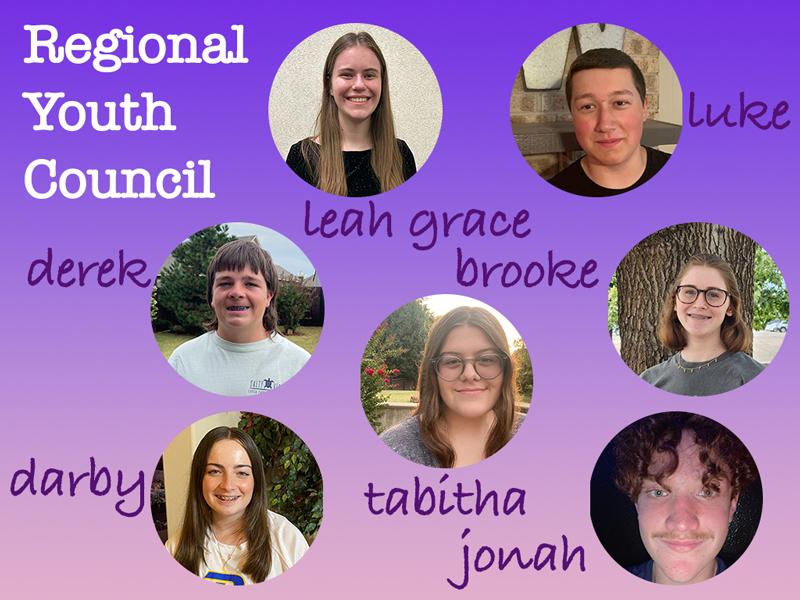
Pause for three minutes with Luke 2:1-20, read by members of the Regional Youth Council. RYC invites you to use their reading in your Christmas Eve worship. Download it here.
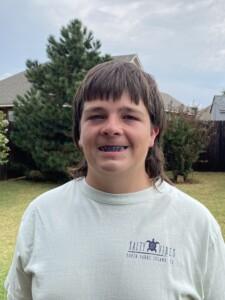
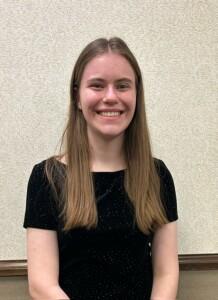
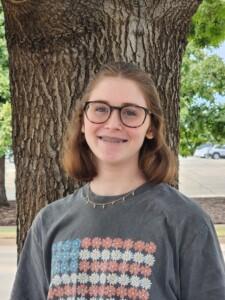
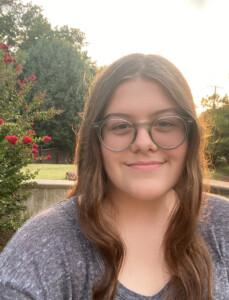
Regional Youth Council Readers
Maryanne created a video reading of Luke 2:1-20. Download it here.
Regional Youth Council Youth
Regional Youth Council Adults

October 23, 2023
My heart breaks with the ongoing tragedy in Israel and Gaza. The images on the news, the stories of brutality and retaliation, the collective experiences of grief, loss and trauma have been heart-wrenching and agonizing. May the violence born of hatred be overcome so that we can see the humanity in one another in ways that build justice and celebrate dignity for all.
The long history of conflict in Israel/Palestine is complex and complicated. As we pray for peace and an end to violence, I’d like to share some of the resources that I’ve found helpful in seeking to understand the situation. I share them in the hopes that you and your community of faith might use them to learn about what is happening and engage in ways that build peace and purpose.
Yours in the Journey,
Rev. Chris Dorsey
President and CEO
Disciples Home Missions

What does it mean to be reconciled?
by Marilynn Knott, Chair: Commission on Faith in Action
The only reference to reconciliation in the Hebrew Bible is in 1 Samuel 29:4, when David was on the outs with King Saul and had joined the Philistines. He had proved himself with the one who had welcomed him to fight for the Philistines, but the Philistine leaders did not trust David and ordered him and his army to be left behind as the Philistines went into battle. The Hebrew word ratsah* translated as reconcile in this scripture, means to be pleased with and accept favorably. The leader of the Philistines could do neither regarding David. As society spread among many cultures, the need for reconciliation grew. For example, the Apocrypha records six instances when reconciliation was addressed.
Reconcile is only used once in the Gospels in Matthew 5:24: leave your gift there before the altar and go; first be reconciled to your brother or sister, and then come and offer your gift. The Greek word used here by Jesus is diallassó, which means change enmity for friendship. In this instance, Jesus is addressing believers. We must take that counsel seriously as faith groups living in a worldview of divide and conquer. Our behavior is a witness to the validity of the one we follow.
Paul and the other early Christ-followers had to deal with reconciliation as they entered the many cultures around them in following Jesus’s instruction to go into all the world and teach the good news of Christ. Much of that good news targets building the Kingdom of God, the Beloved Community.
Paul also uses various Greek words now translated as reconcile, like katallassó, which means to decisively change, to the same position, and the word apokatallassó, which means to reconcile completely, to change from one feeling to another. While this was 2000 years ago, and we have in many ways since gone into the whole world, we have not yet attained the beloved community worldwide. Thus, the word Reconciliation, and more importantly, the act of Reconciliation, is more necessary today than ever. The words of Paul regarding this issue still resonate today.
The Christian Church (Disciples of Christ) recognizes the last Sunday in September and the First Sunday in October for Reconciliation emphasis. Yes, we suggest that a special offering be taken on those Sundays with the funds dedicated to reconciliation, which is important. We must, however, take time on these Sundays and always consider the challenge we have in bringing the whole world into a Beloved Community. How is your congregation working toward that goal? What special needs can you identify in your community? How do you plan to address them? How can we decisively change racism, poverty, and violence against one another? How can we change enmity for friendship?
*All translations were gleaned from Strong’ Concordance using the NRSV Bible Translation
Get Away Campout
October 19-21